

Ringkasan:
● Geothermal dipromosikan sebagai energi hijau, tetapi menimbulkan dampak sosial dan ekologis serius di tingkat lokal.
● Ketegangan muncul antara klaim ilmiah energi bersih dan pengalaman nyata komunitas terdampak geothermal.
● Transisi energi harus mengintegrasikan keadilan ekologis, kedaulatan masyarakat, dan penghormatan terhadap spiritualitas alam.
Oleh: Anthon Jason | Republikasi dari ICRS
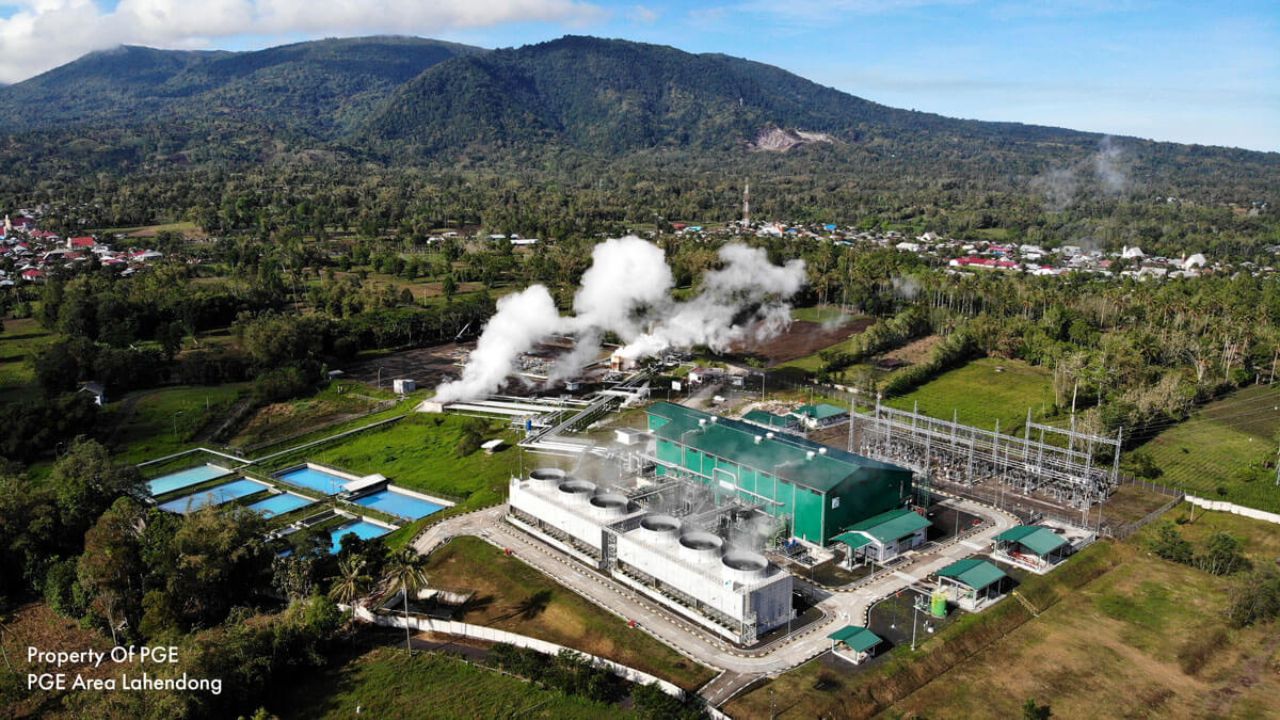
Geothermal energy is frequently promoted as a form of “green energy” and is widely perceived as a solution to reducing carbon emissions. For decades, Indonesia has invested in the development of geothermal resources as part of its energy transition agenda, yet the social and ecological consequences of these projects remain a subject of growing concern.
As part of the commemoration of the 25th anniversary of the Center for Religious and Cross-cultural Studies (CRCS) UGM, a panel discussion titled “Energi Hijau: Perspektif Sains dan Tradisi” (Green Energy: Perspectives from Science and Tradition) was held to examine the complexities of energy transition in Indonesia. This discussion did not constitute a merely technocratic exercise but rather functioned as a dialectical arena that integrated perspectives from the earth sciences, environmental activism, citizen-generated data, and ancestral knowledge systems.
Moderated by Samsul Maarif, who was then the director of CRCS, the discussion featured four speakers with contrasting yet intersecting backgrounds: Pri Utami (UGM Geothermal Expert), Elki (WALHI Yogyakarta), Agung Setiawan (Representative of the Dieng Community), and Hendrik (Representative of Indigenous Communities/Sunda Wiwitan). The forum highlighted epistemological tensions between the macro-level claims of “clean energy” and the micro-level impacts experienced by grassroots communities.
Scientific Perspective: Geothermal as a Bridge to the Future
The session was opened by Pri Utami, a geologist and geothermal expert who previously served as Vice President of the International Geothermal Association. In her presentation, Pri defined geothermal energy as the Earth’s internal energy that has existed since the formation of this planet, more than 4.5 billion years ago. From a technical standpoint, Pri emphasized geothermal’s comparative advantages over other renewable energy sources (such as solar or wind), namely the stability of its supply (baseload), which does not depend on weather conditions. She explained that carbon emissions from geothermal power plants are far lower than those from fossil-fuel power plants, making geothermal a vital instrument in the global energy transition roadmap.
Pri proposed a new paradigm in which geothermal development should serve as a bridge between “ancestral knowledge heritage” and a “clean future.” She highlighted the success story of New Zealand, where the Māori are involved as shareholders and strategic partners, integrating their mythological narratives with modern technology. However, she also acknowledged the challenges of science communication in Indonesia, where public geological literacy remains low, causing both disaster risks and natural resources to be frequently misunderstood.
On-site Response: Dieng District Resident Information and Damage Assessment
This narrative of scientific optimism faces a strong challenge from Agung Setiawan, a Dieng resident and researcher who conducts citizen science with community groups. Agung presents empirical data that exposes the dark side of the geothermal industry, which is often labeled as “environmentally friendly.” He outlines “a series of industrial disasters” that have occurred in Dieng, ranging from the explosion of a toxic gas pipeline in 1978 to the gas leak in Mandailing Natal that caused at least 2,121 residents to be exposed to toxic gas. He highlights chronic health impacts caused by exposure to H₂S (hydrogen sulfide) gas. Even at low concentrations, long-term exposure correlates with high rates of acute lung damage (pneumonia) and acute respiratory infections (ISPA) in local subdistricts.
Furthermore, community research has found serious contamination in water sources. Spring water samples in Pawuhan Village show iron and manganese levels that exceed quality standards, as well as the presence of boron in the water consumed by residents. Agung stresses that for Indigenous communities, energy is not merely electricity, but “water, land, and forest” that sustain their lives. He rejects the green energy narrative when, in practice, it destroys their living space. “Our homeland and living space are not arenas to be damaged or experimented on,” he asserts.
Ecological Political Reflection: Critique of “False Solutions”
Elki from WALHI Yogyakarta broadened the context of the discussion into the realm of ecological justice. She criticized an energy transition that focuses only on changing the type of energy mix (from fossil to renewable) without transforming the extractive governance behind it. According to Elki, geothermal energy in Indonesia currently has the potential to become a “false solution” or mere greenwashing if, in its upstream processes, it continues to dispose of land, trigger horizontal conflicts, and neglect community safety. He underscored the necessity of transitioning from an anthropocentric framework, which positions humans as the dominant agents exerting control over nature, to an ecocentric paradigm that assigns intrinsic value to all components of the biophysical environment. The energy transition must ensure “ecological justice,” in which communities are not merely objects or consumers, but hold sovereignty over their own resources.
Perspective of Tradition: Nature as a Spiritual Subject
The philosophical dimension was deepened by Hendrik, a representative of the Indigenous community who voiced a Sundanese cosmological perspective. He rejects the Western academic view of “sustainability,” which he argues is often still materialistic. For Indigenous peoples, nature is a “spiritual subject,” not an object of exploitation. Hendrik explains the concept that mountains and nature possess “spirit” and “will.” Environmental damage is seen as the result of humanity’s failure to “ngaji diri” (self-introspection) and the forgetting of its position as part of the universe. He strongly criticizes technocratic approaches that are “silent” and impose projects without the genuine consent of Indigenous communities, which he calls a form of hubris because the mind is cut off from “the feeling of nature.” For him, technological progress must be accompanied by an ethic of feeling; “maju kudu jeung rasa, lain saukur jeung rupa” (progress must be with feeling, not merely with appearance/physical form). In stronger terms, “ngala ulah ngaleuwihan make ulah ngarusak” (do not use excessively, use without causing damage).
Discussion Analysis and Conclusions
The discussion converged on a central theme: the substantial disjunction between scientific theory as articulated in formal documentation and the realities of implementation in the field. During the Q&A session, a series of issues emerged concerning the ineffective transfer of both technological innovations and social interventions. Pri Utami observed that, in New Zealand, information transparency and the systematic dissemination of lessons learned from past failures are institutionalized and made accessible to the public, practices that have not yet been fully realized in Indonesia. She further underscored the necessity of conducting baseline environmental assessments (encompassing physical, chemical, social, and cultural dimensions) before project initiation, in order to enable objective measurement and evaluation of subsequent impacts.
In contrast, the empirical evidence presented by Agung indicates that project “socialization” processes often function primarily as symbolic or procedural formalities, rather than as mechanisms for substantive community engagement. These processes tend to reproduce or even exacerbate existing social cleavages among residents, while adverse health and environmental effects, such as the formation of new craters and the emission of toxic gases in residential areas, persist without adequate mitigation.
In conclusion, the discussion stressed that the label “green energy” does not automatically confer moral legitimacy on a project if its processes violate humanity and ecology. What is needed is equal collaboration in which academic knowledge from universities no longer monopolizes the truth, but enters into dialogue with “ilmu titen,” or knowledge based on residents’ lived experience and ancestral wisdom. Without this integration, the energy transition will only shift the crisis from carbon emissions to a new socio-ecological crisis.
Editor: Andrianor