

Ringkasan:
● Institusi agama konvensional mulai digantikan oleh praktik spiritualitas sehari-hari yang lebih personal dan inklusif.
● Kebun komunitas menjadi ruang sakral alternatif tempat orang menemukan makna, etika, dan ketenangan.
● Pendekatan ini menantang dikotomi agama-nonagama dan menegaskan pentingnya kebersamaan ekologis.
Oleh: Fuji Riang Prastowo | Republikasi dari ICRS
Contemporary discussions on religion and spirituality increasingly reflect shifts in how individuals seek meaning, belonging, and ethical orientation in everyday life. As traditional religious institutions face changing patterns of participation, scholars are paying closer attention to lived experiences and ordinary practices through which people cultivate moral and spiritual connections. Within this broader context, questions of where the sacred is located and how it is experienced beyond formal doctrines have become central to the study of religion today.
The opening keynote address at the Australian Association for the Study of Religion’s (AASR) 50th Annual Conference provided a novel and profoundly human viewpoint on spirituality and social life. Lori G. Beaman, a professor at the University of Ottawa, asked the audience to investigate an alternative form of sacred space. She focused our attention on the modest yet significant setting of community gardens instead of churches, temples, or mosques.
During her talk, “What Community Gardens Tell Us About Religion, Non-religion, and Living Well Together,” Professor Beaman presented anecdotes and observations gleaned from a comprehensive global study. Gardeners from Australia, Canada, the US, Brazil, and several other nations shared these tales. According to her studies, many people are finding new ways to connect with ethics and spirituality today. These forms arise from commonplace activities, such as gardening, rather than from conventional religious institutions.
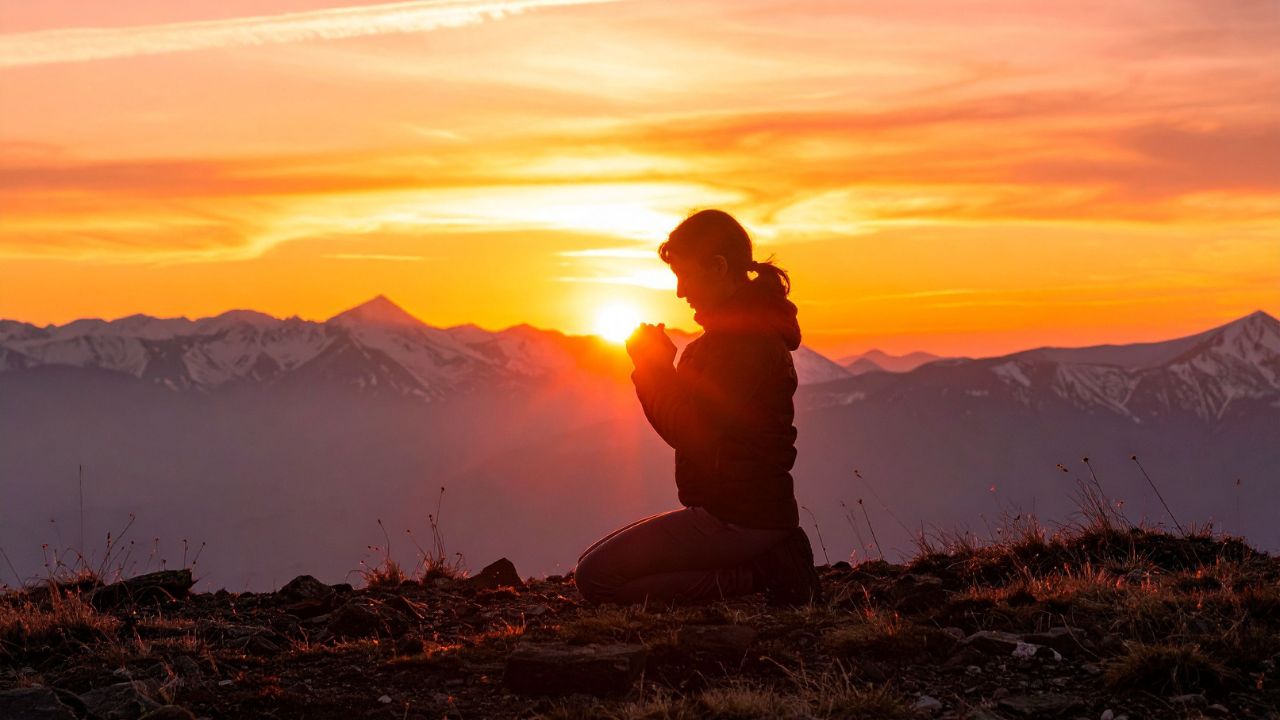
Claire, an Australian participant, had a lovely reflection on this. “I would be in nature if I ever wanted to pray or think spiritually,” she stated. However, I am not particularly spiritual.
Many others in the room found resonance in her remark. It conveyed a subtly potent idea: that being in the moment with nature might bring about serenity, introspection, and a sense of purpose rather than formal belief.
Community Gardens as a Worldwide Source of Insight
Data from the Non-religion in a Complex Future project served as the basis for Beaman’s talk. In eight different nations, her team interviewed 134 community gardeners. In Canada, they also led focus groups with Syrian refugees. Instead of questioning participants about their beliefs, the researchers focused on what people do daily. Beaman refers to this approach as “sideways research.” It seeks to comprehend how individuals navigate their moral and spiritual lives, regardless of whether they identify as religious in the conventional sense.
Many of the gardeners she interviewed characterized their gardens as spaces for introspection, healing, and connection. Alongside plants, animals, insects, and the ground itself, these areas united people not just as neighbors but also as co-creators of life. According to Cecelia from the United States, “I feel closer to God when I am here.” “Every plant is a wonder.”
Some participants discussed personal customs tied to the rhythms of planting and harvesting, dances under the sun, and barefoot rites. These customs may not be associated with any particular religion, yet they have spiritual and emotional depth. They exhibit an eco-spirituality grounded in personal experience rather than religious dogma.
A Sacredness Stemming from the Ordinary
According to Professor Beaman, this relationship between spirituality and the earth may seem familiar in communal and agrarian countries like Indonesia. In contrast, rediscovering these activities through gardening is unexpected and transformative for many individuals in the West, where culture tends to promote individualism and secular ideals.
Community gardens are performing a subtly revolutionary function in these civilizations. They provide a sense of belonging that is independent of religious or institutional allegiance, bring people together, and reintroduce them to nature. “Mountains are my cathedral,” as one Australian gardener, Ian, put it.
These kinds of statements demonstrate how individuals are changing the definition of a sacred location. This is precisely why religion and non-religion can no longer be viewed as simple opposites, according to Beaman. The truth is much more intricate and subtle.
A Novel Perspective on Belonging and Religion
Beaman’s talk covered more ground than gardening. It was an appeal to reconsider our conceptions of religion, meaning, and community in the modern world. She exhorted both academics and professionals to focus more on routine procedures. Cooking for neighbors, caring for plants, or demonstrating concern for the environment are a few examples. People communicate their ideals and sense of belonging in these little yet impactful ways.
Individuals are generating new kinds of meaning through these collective endeavors. They refer to these experiences as spiritual at times and as ethical or emotional at others. What emerges in every situation is a profoundly human attempt to coexist peacefully with the environment and with other people.
In a time of environmental disaster and social disintegration, Beaman says these behaviors might be the seeds of a more caring future. She concluded, “We need to look beyond the binaries.” “And into our shared lives’ compost.”
Her message was unambiguous. A garden can represent more than simply spiritual development. It is a real, physical location where people congregate to share, dig, grow, and think. Moreover, for many, that is precisely where a fresh perspective on the sacred starts to emerge.
Editor: Andrianor